
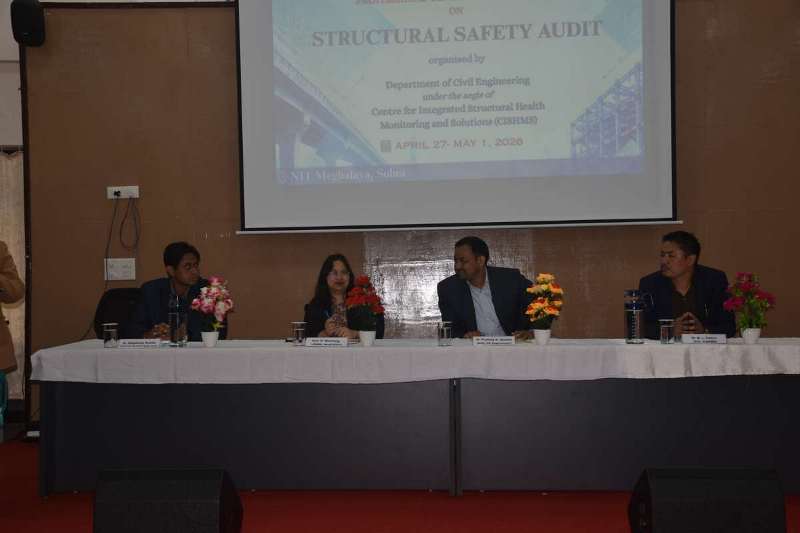
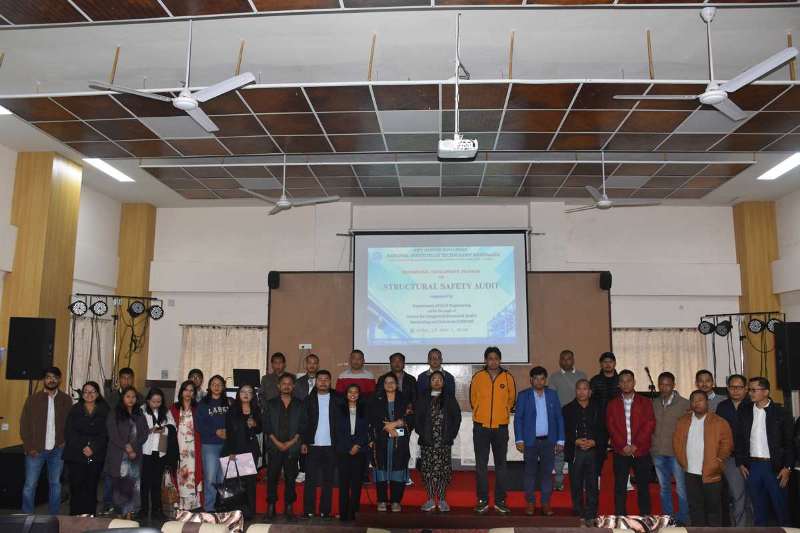
The Department of Civil Engineering, National Institute of Technology Meghalaya, under the aegis of the Centre for Integrated Structural Health Monitoring and Solutions (CISHMS), successfully organized a five-day Professional Development Program (PDP) on “Structural Safety Audit” from 27 April to 01 May 2026. The programme was sponsored by the State Disaster Management Authority (SDMA) Meghalaya with the objective of enhancing technical knowledge and practical understanding of structural safety assessment, monitoring, and rehabilitation of civil infrastructure.
The programme was organized under the patronage of Prof. Pinakeswar Mahanta, Director, NIT Meghalaya. Dr. Debabrata Podder served as the Chairman of the programme, while Dr. Rubi Chakroborty acted as the Convenor. The programme was coordinated by Dr. Pradeep Kumar Gautam, Dr. Smrutirekha Sahoo, and Dr. G.C. Dhal from the Department of Civil Engineering. Smti. Mitali Chandra, IAS, Executive Director, SDMA Meghalaya, was a member of the Advisory Committee and extended valuable support towards the successful conduct of the programme.
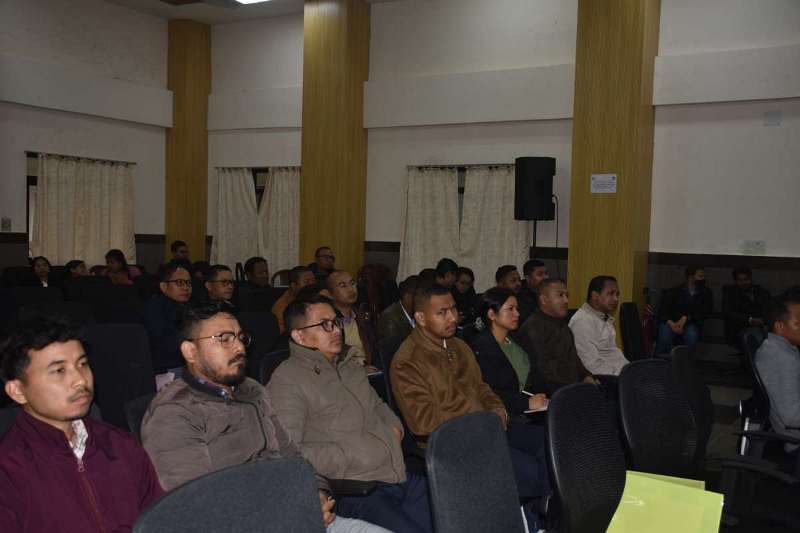
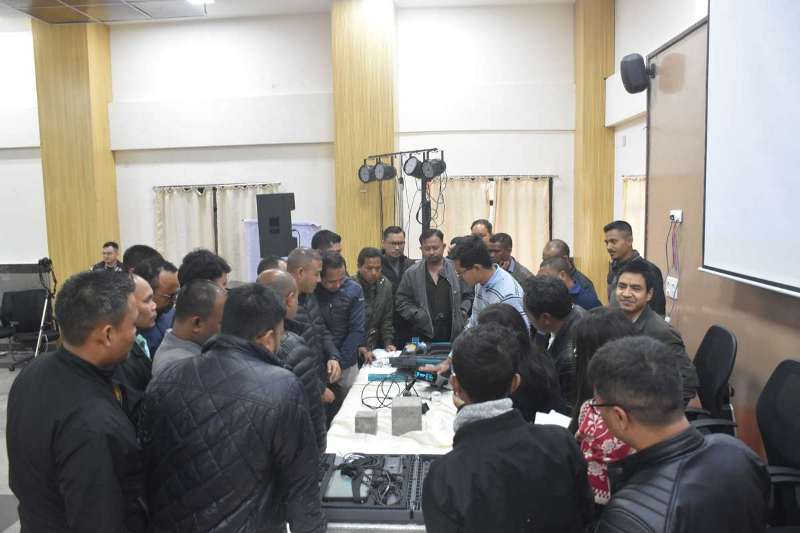
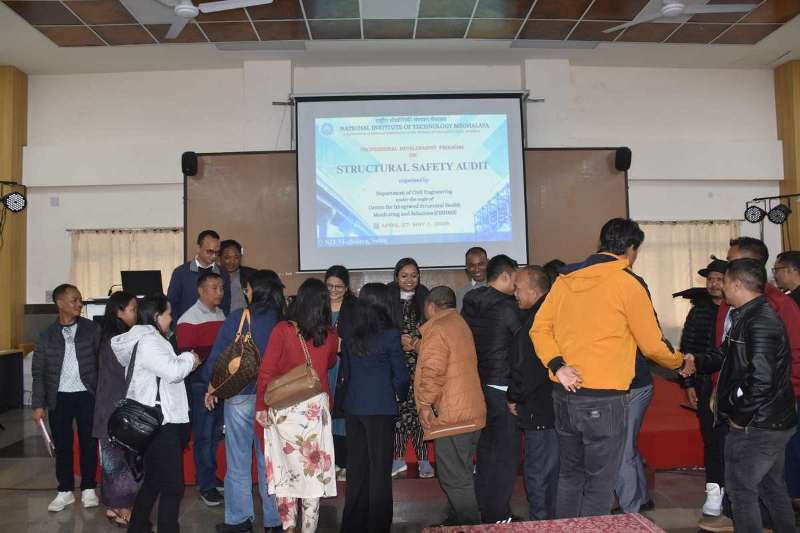
A total of 37 officials nominated by SDMA Meghalaya participated in the programme. The participants actively engaged in all technical sessions, practical demonstrations, and interactive discussions conducted during the workshop. The programme provided an excellent platform for knowledge sharing and capacity building in the domain of structural safety and disaster resilience.
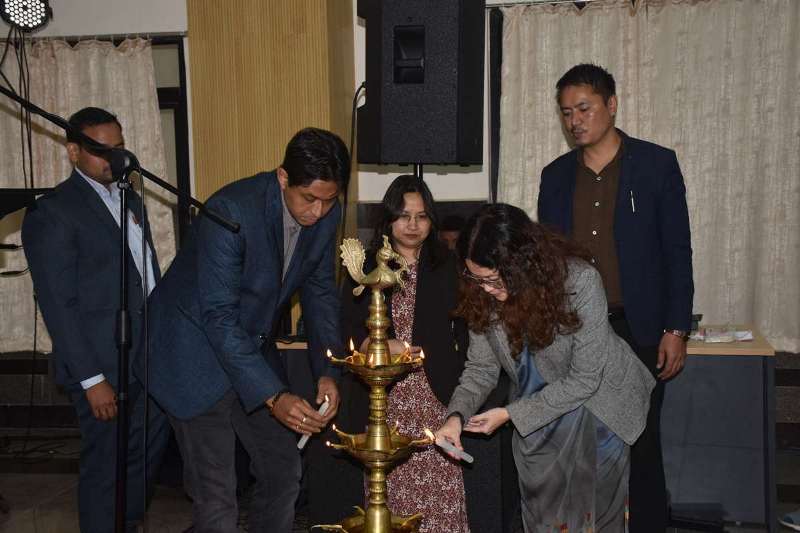
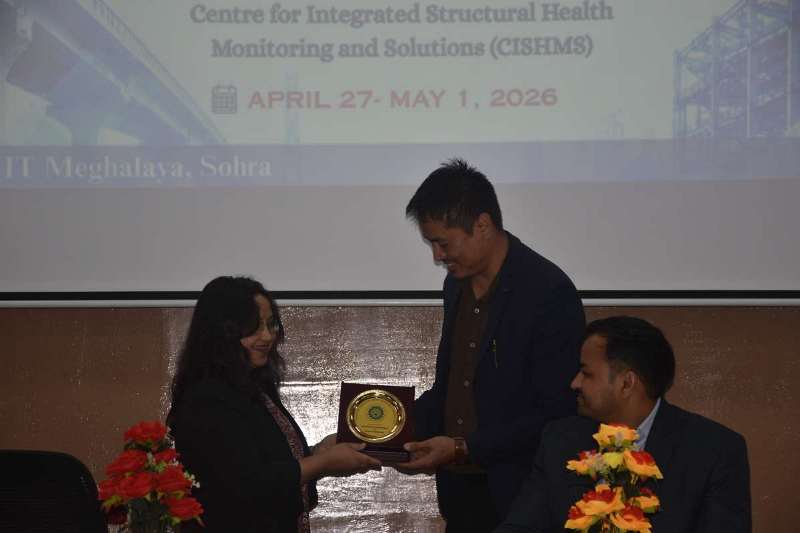
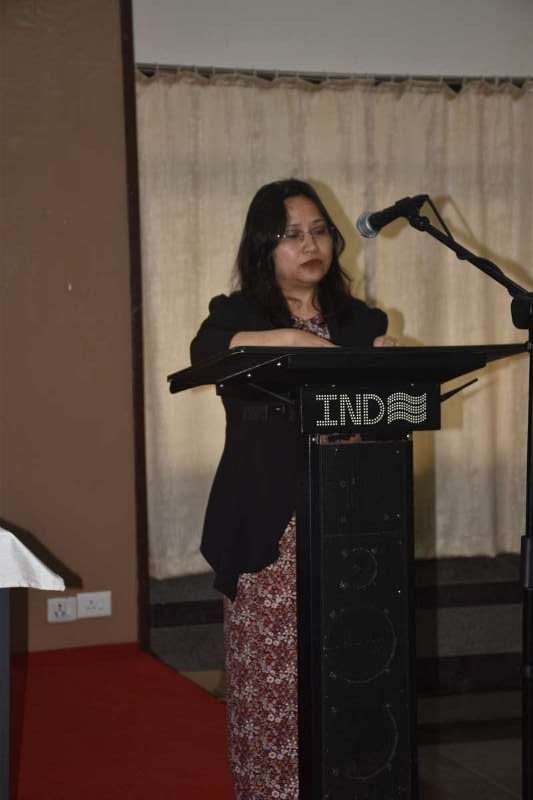
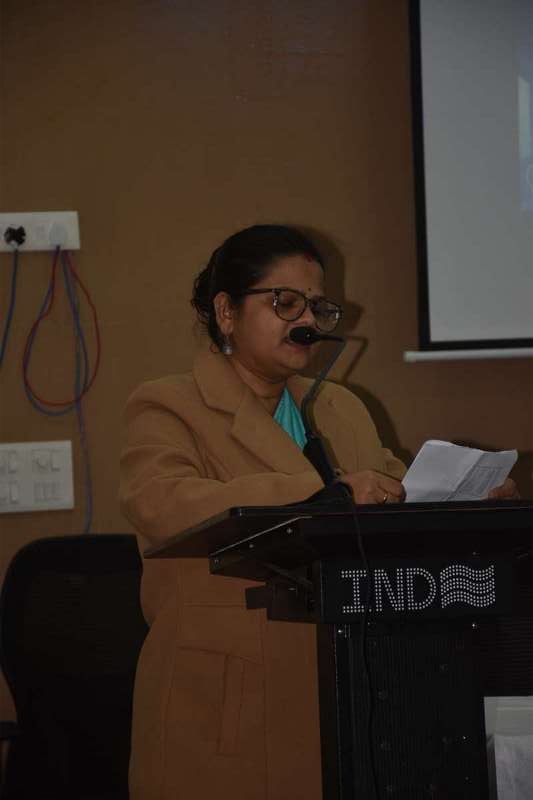
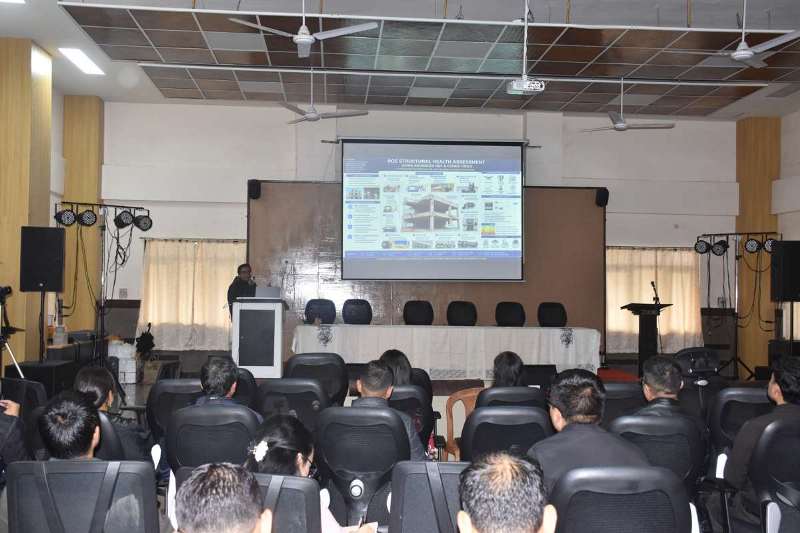
The inaugural session was held on 27 April 2026 at the Senate Hall, Administrative Block, NIT Meghalaya. The programme commenced with registration, followed by the inauguration ceremony and technical sessions on the overview of structural safety audit and rapid visual screening methodologies.
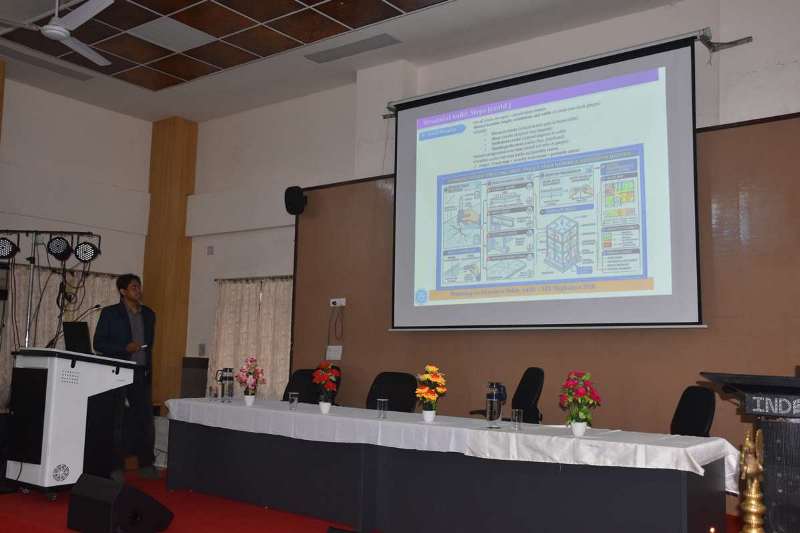
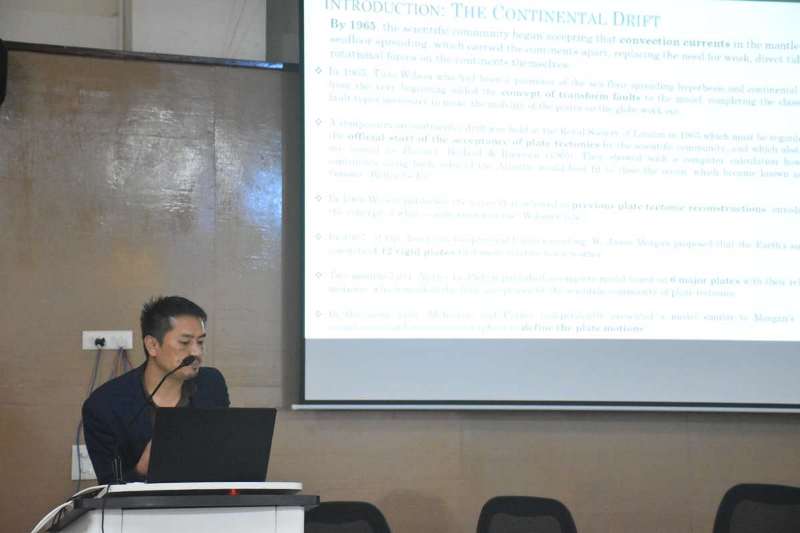
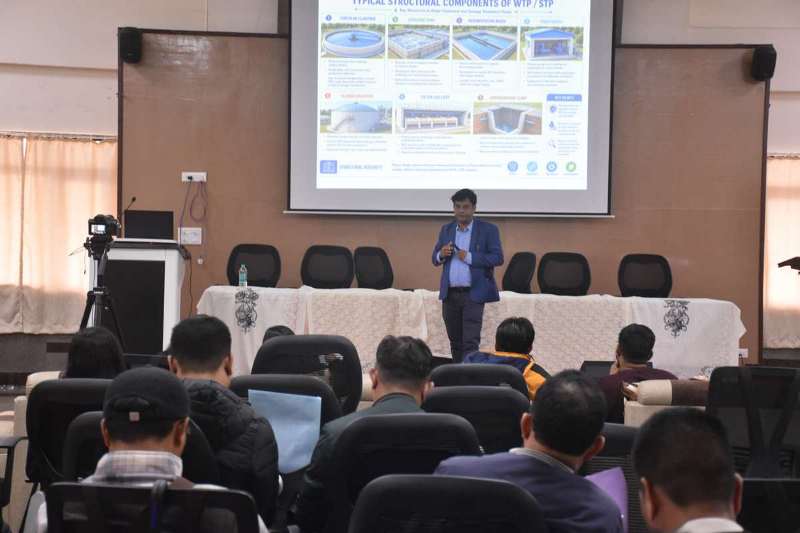
During the five-day programme, eminent faculty members and experts from NIT Meghalaya delivered lectures and hands-on training on several important aspects of structural safety auditing. The major topics covered included:
• Overview of Structural Safety Audit: Objectives, Scope and Codes
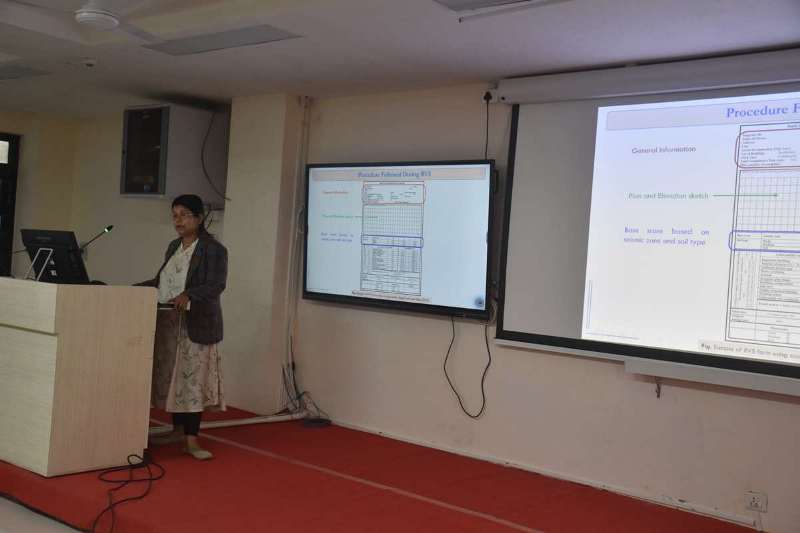
• Rapid Visual Screening (RVS): Concepts and Methodology
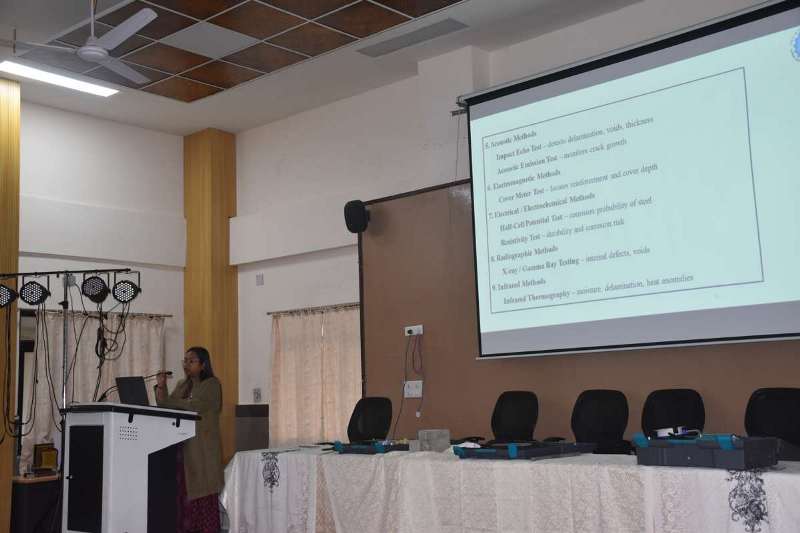
• Preliminary Survey and In-situ/Semi-destructive Testing Techniques
• Analysis of RVS Data and Identification of Structural Vulnerabilities
• Detailed Structural Evaluation and Vulnerability Assessment
• Sensor-based Structural Health Monitoring
• Non-Destructive Testing (NDT) Applications
• Structural Health Monitoring for Civil Infrastructures
• Slope Stability Studies for Buildings in Landslide-Prone Areas
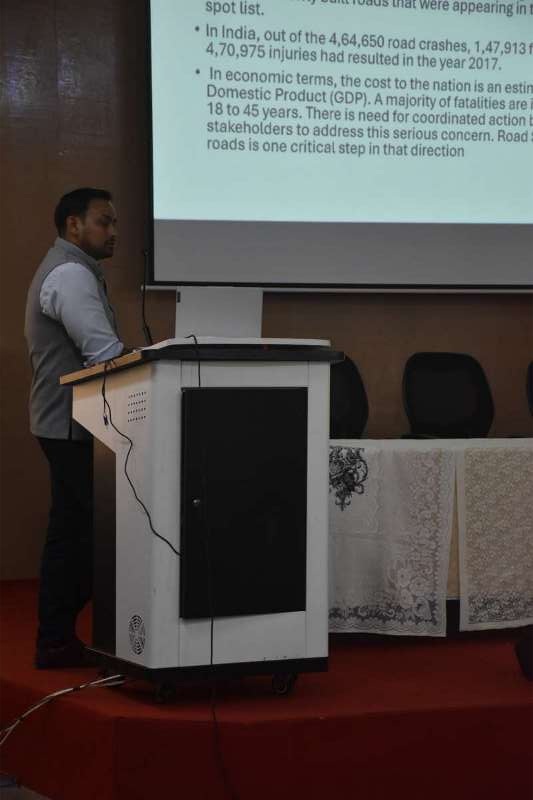
• Road Safety By-laws for Hilly Regions
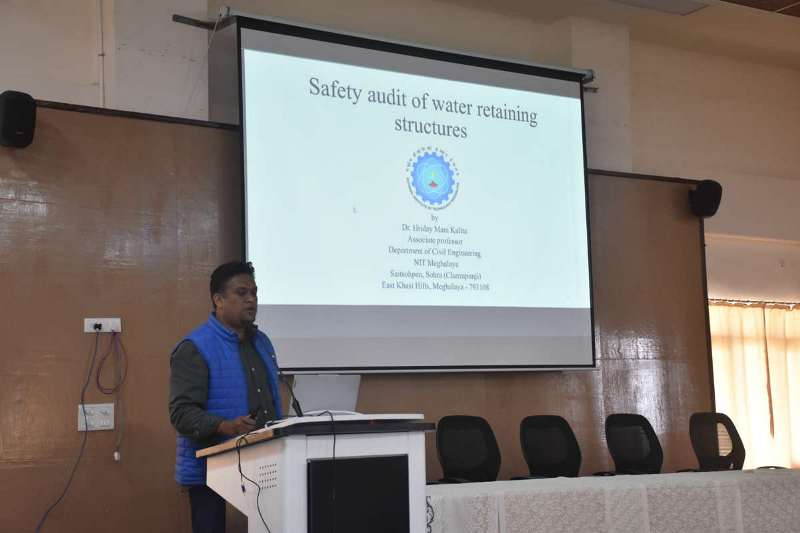
• Safety Audit of Hydraulic Structures
• Seismic Retrofitting Strategies for Reinforced Concrete Buildings
• Structural Safety Audit of Water Treatment and Sewage Treatment Plants
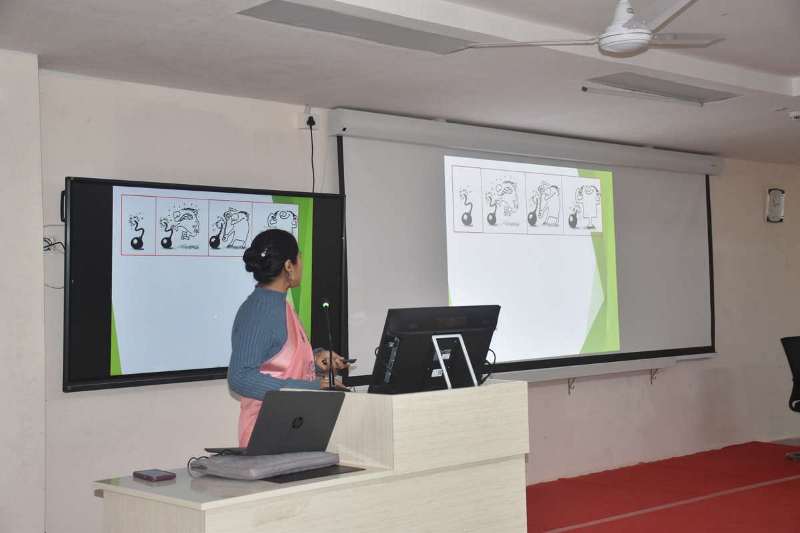
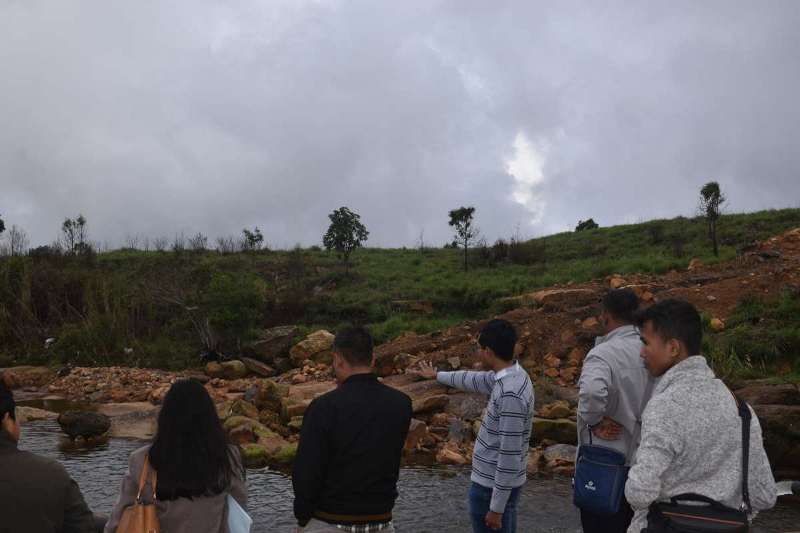
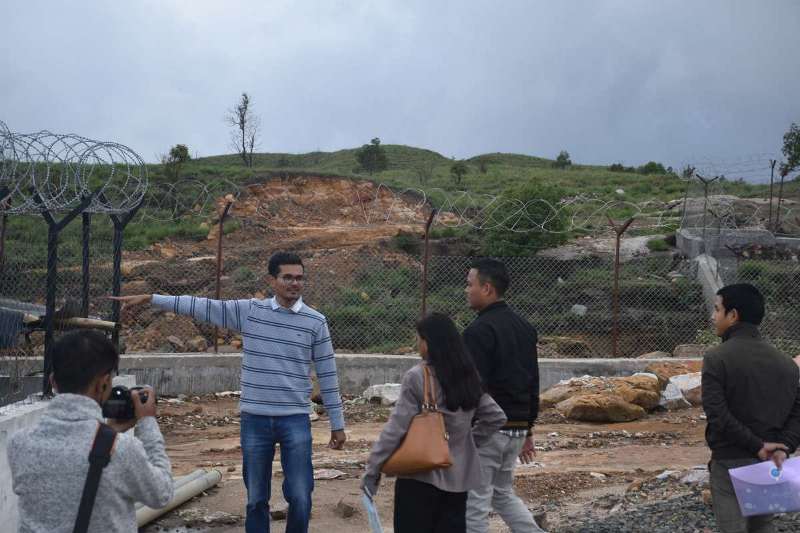
The programme emphasized practical exposure and real-world applications through demonstration sessions, case studies, and discussions on regional safety challenges, particularly in hilly and landslide-prone regions of Meghalaya. Participants gained valuable insights into structural vulnerability assessment, retrofitting techniques, and the use of modern monitoring technologies for ensuring infrastructure safety.
The valedictory session was conducted on 01 May 2026 at the Senate Hall, where participants shared their feedback and experiences regarding the programme. The participants appreciated the comprehensive coverage of the topics, practical orientation of the sessions, and the relevance of the programme to disaster management and infrastructure safety practices in the state.
The programme concluded successfully with active participation from all attendees. The Department of Civil Engineering, NIT Meghalaya, expressed sincere gratitude to SDMA Meghalaya, especially Smti. Mitali Chandra, IAS, Executive Director, SDMA Meghalaya, distinguished speakers, organizing committee members, and participants for their valuable support and cooperation in making the programme a grand success.
 |
 |
 |
 |
 |
 |
 |
 |
 |
 |
 |
 |
 |
 |
 |
 |
 |
 |
 |
 |